Navigating the complexities of a board meeting requires more than just presenting data; it demands a strategic narrative that informs, persuades, and drives crucial decisions. Many CEOs grapple with distilling vast amounts of information into a concise, impactful report that respects the board’s time while providing comprehensive insight. This is precisely where a well-crafted Ceo Report To Board Of Directors Template becomes an indispensable asset, transforming a potentially daunting task into a structured opportunity to showcase progress, address challenges, and align on future direction.
The effectiveness of a CEO’s report directly impacts the quality of board discussions and decisions. A poorly organized or overly detailed report can obscure critical issues, leading to inefficient meetings and a lack of clear strategic direction. Conversely, a clear, concise, and comprehensive report empowers board members to grasp the company’s pulse, ask pertinent questions, and contribute meaningfully to governance and strategy.
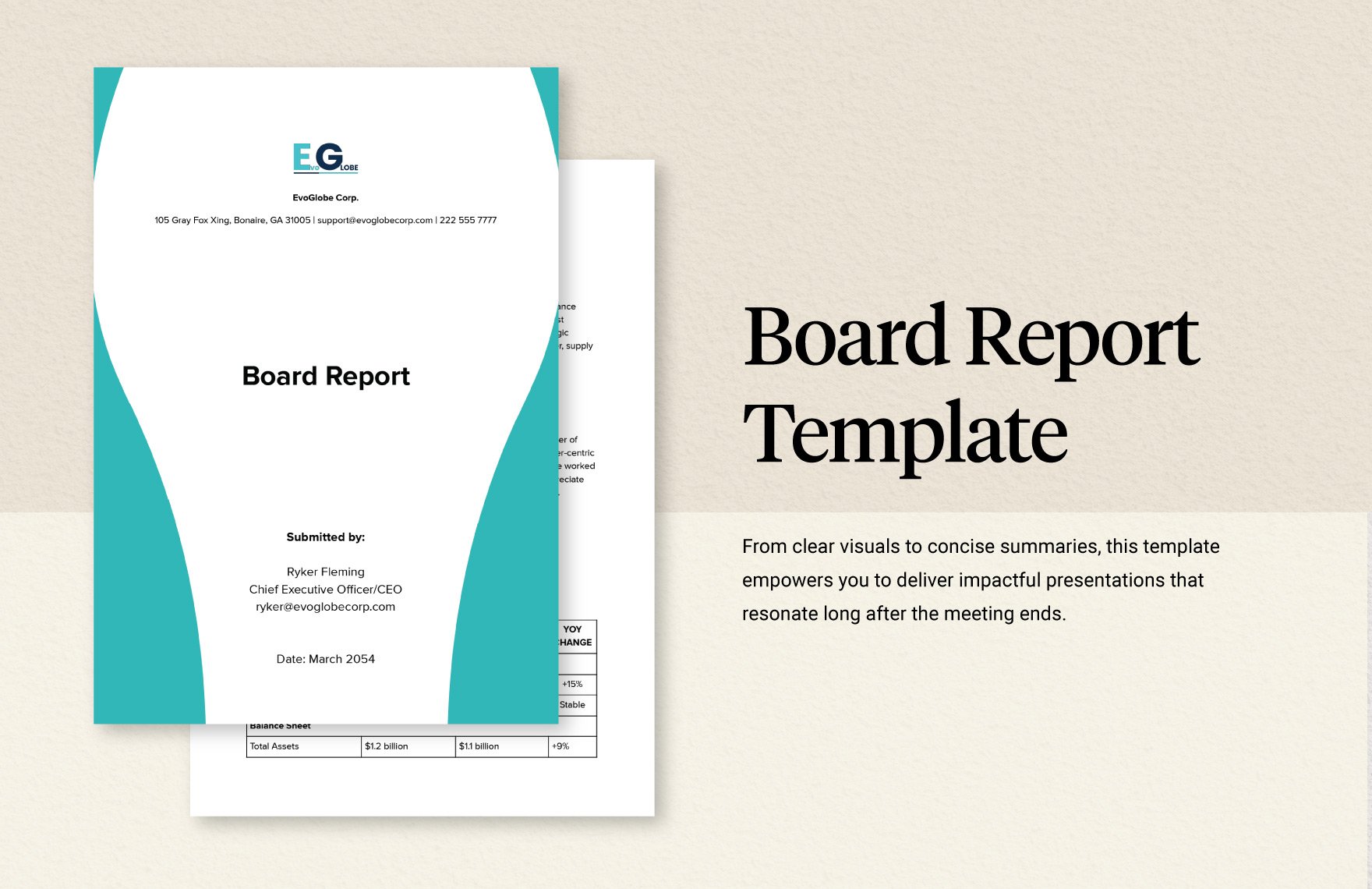
Building a robust framework for your board communications isn’t just about efficiency; it’s about establishing credibility and transparency. A consistent template ensures that key performance indicators (KPIs), strategic updates, and critical challenges are always presented in a predictable and easily digestible format. This fosters an environment of trust and allows the board to focus on high-level strategy rather than sifting through disorganized information.
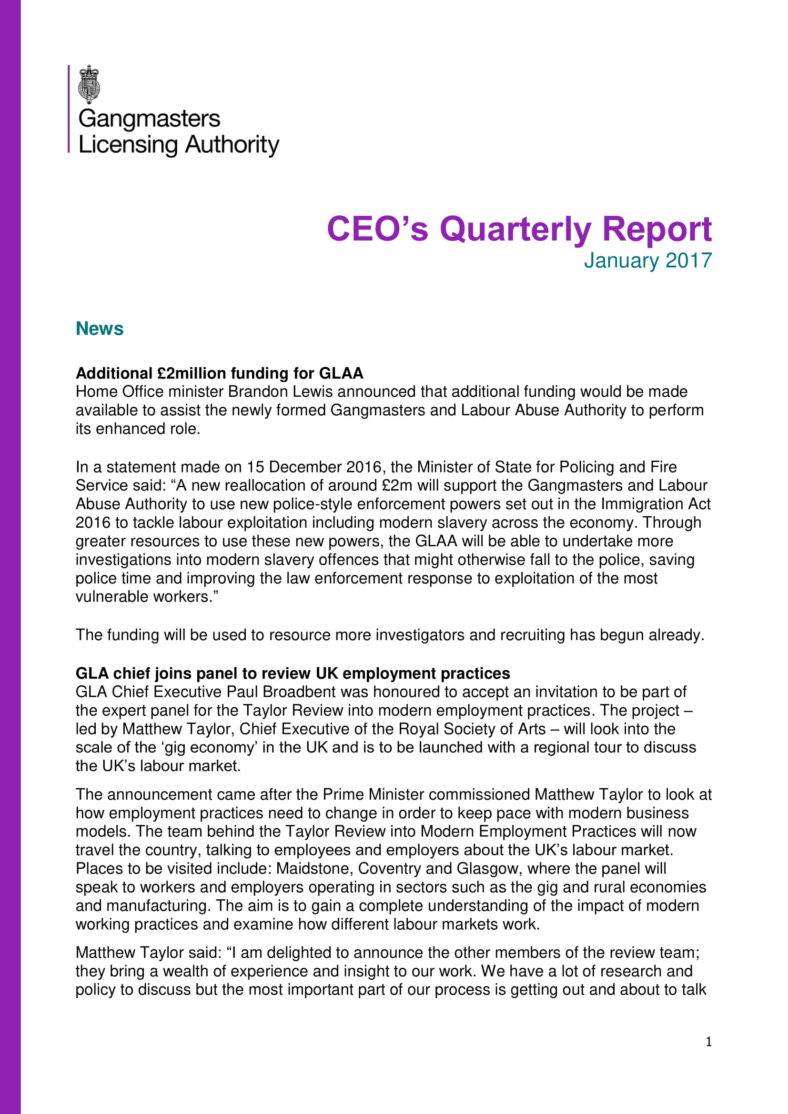
Ultimately, mastering the art of the CEO report is a cornerstone of effective corporate leadership. It’s about more than just reporting facts; it’s about storytelling with data, framing challenges with solutions, and articulating vision with clarity. This guide will walk you through the essential elements and best practices for creating an exemplary CEO report, leveraging the power of a strategic template to elevate your board interactions.
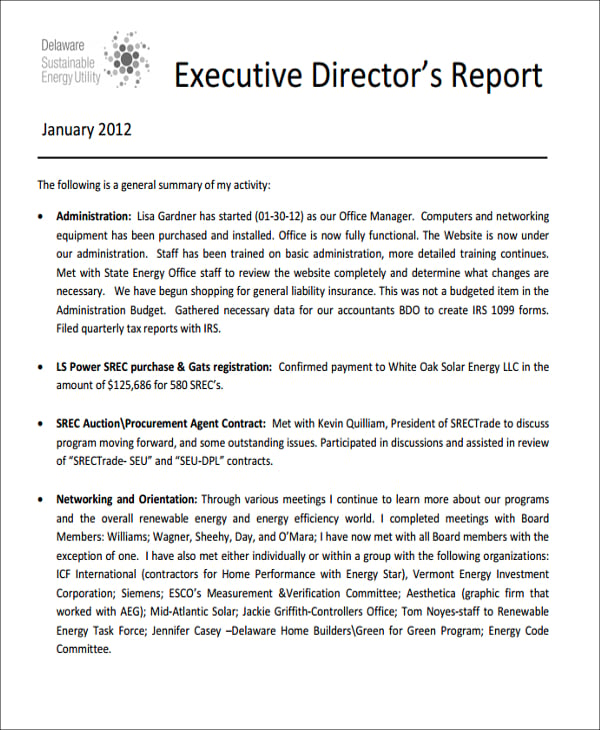
The board of directors serves as the strategic compass and oversight body for an organization, making their engagement and understanding paramount. A structured CEO report acts as the primary conduit for information flow from management to the board, bridging the operational trenches with the strategic boardroom. Without a clear, consistent structure, critical insights can get lost, leading to misunderstandings, misaligned expectations, and ultimately, suboptimal decision-making.

A well-organized report demonstrates the CEO’s professionalism and command of the business. It signals that management is thoughtful, prepared, and respects the board’s fiduciary duties and time. This respect fosters a more collaborative and productive relationship between the CEO and the board, essential for navigating complex business environments and achieving long-term success.
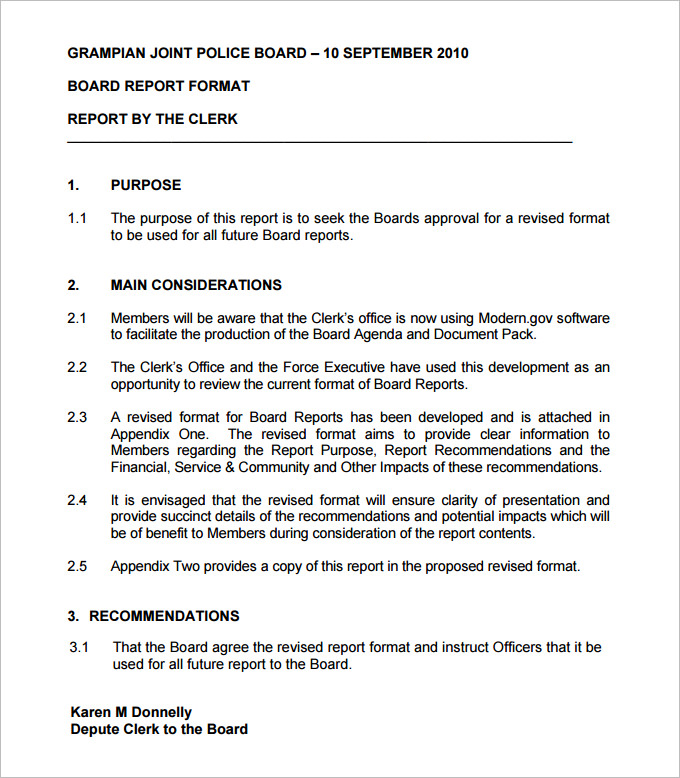
Furthermore, a standardized reporting format helps the board track performance trends over time. When reports maintain a consistent structure, directors can easily compare current results against previous periods, identify patterns, and detect emerging risks or opportunities more quickly. This historical context is invaluable for strategic planning and risk management, allowing the board to offer more informed guidance and challenge assumptions effectively.

An exceptional Ceo Report To Board Of Directors Template goes beyond a mere checklist; it’s a strategic framework designed to convey maximum impact and facilitate critical discussions. While specific content will vary by industry and company, several core components are universally essential for comprehensive reporting.
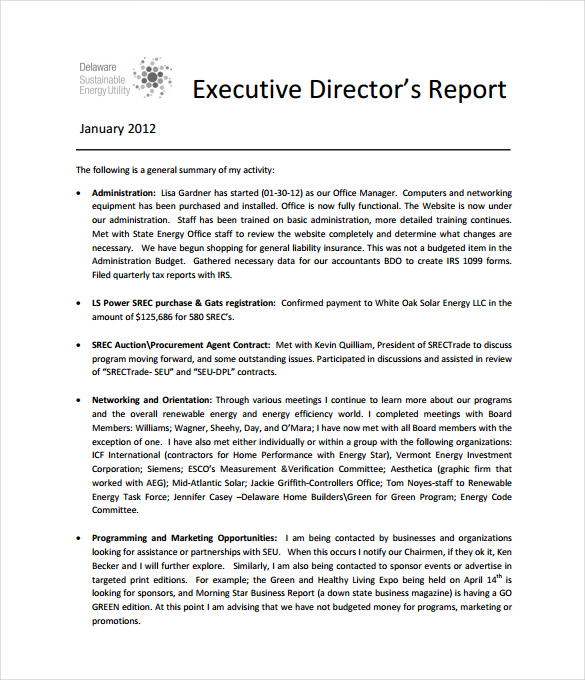
The Executive Summary is arguably the most critical section. It should provide a high-level overview of the company’s performance, key achievements, significant challenges, and strategic priorities for the reporting period. This section must be concise, typically one to two pages, and should immediately address the board’s most pressing questions. Think of it as an “elevator pitch” for the entire report, highlighting the crucial takeaways and setting the stage for deeper dives into specific areas. It should summarize financial health, operational milestones, strategic progress, and any immediate actions required from the board.
This section delves into the company’s financial health. It’s crucial to present not just raw numbers but also their implications.
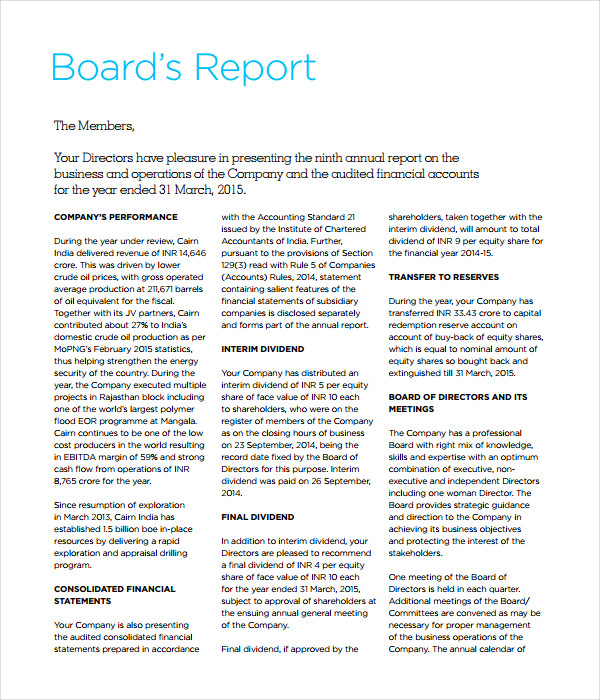
Beyond the numbers, the board needs to understand the operational pulse of the business. This section details key activities and challenges across different functions.
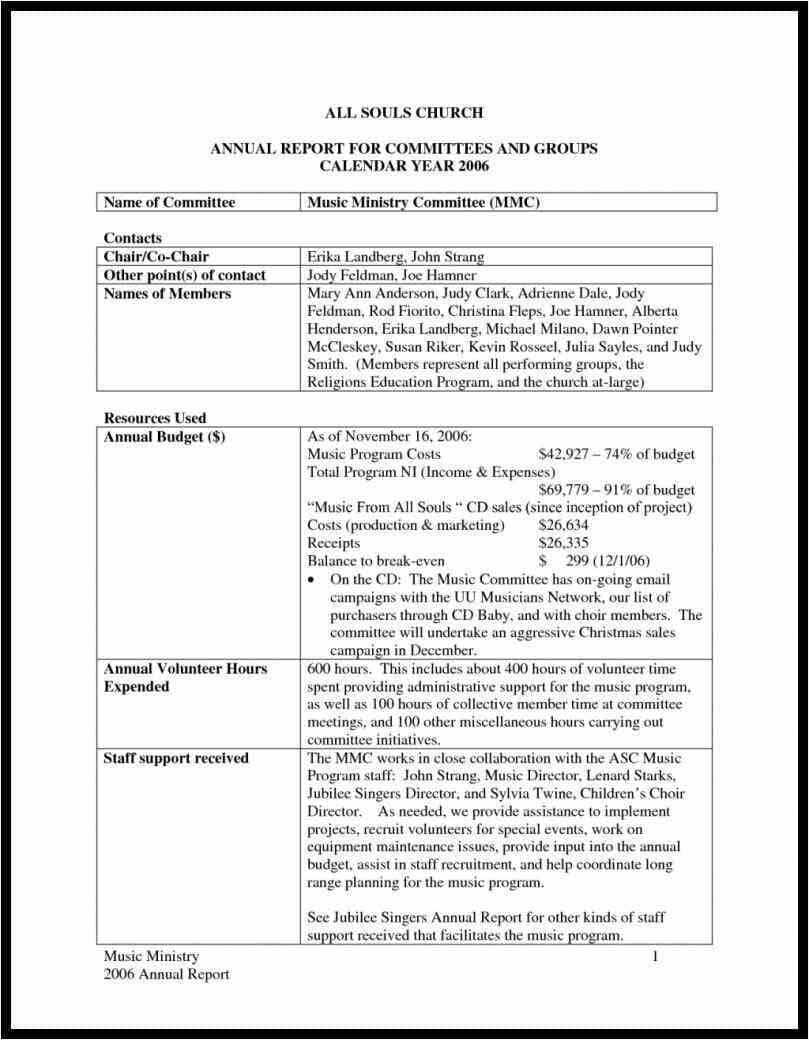
This section connects day-to-day operations with the company’s long-term vision. It demonstrates how current activities contribute to strategic goals.
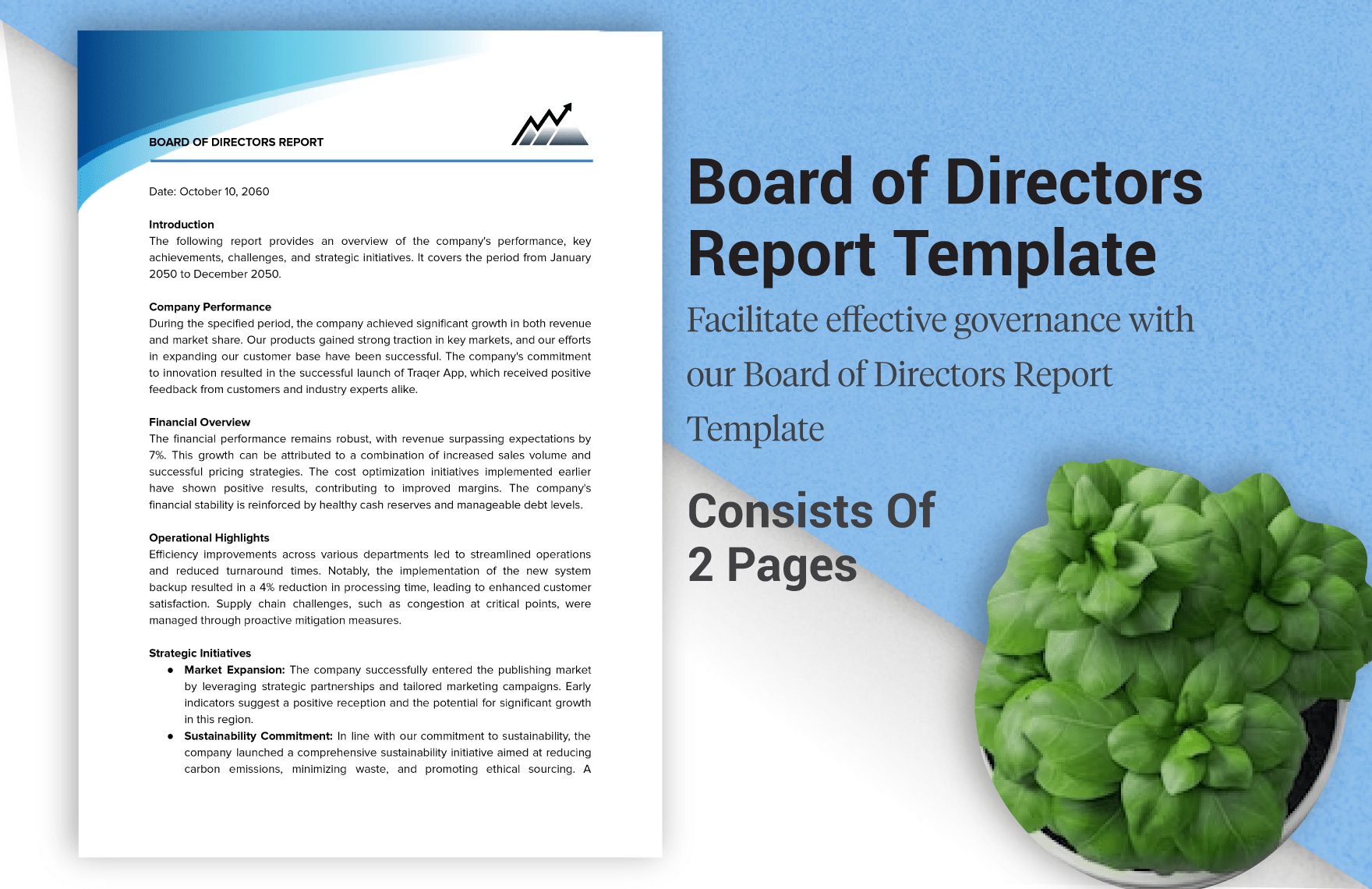
Boards have a critical oversight role in governance. This section ensures they are informed on these essential areas.

While data is the backbone of any CEO report, the narrative woven around that data is what truly brings it to life for the board. An effective Ceo Report To Board Of Directors Template helps you structure this narrative, transforming raw information into actionable insights and strategic dialogue. It’s not enough to present figures; you must explain their significance, context, and implications.
Begin by setting the stage. What has been the overall tone of the reporting period? Was it a period of rapid growth, consolidation, or unexpected challenges? Frame your financial and operational updates within this overarching context. For example, a dip in profits might be concerning on its own, but framed within a strategic investment period for future growth, it takes on a different meaning.

Use visuals judiciously. Graphs, charts, and infographics can communicate complex data far more effectively than dense blocks of text. Ensure these visuals are clear, well-labeled, and directly support the points you are making. Avoid data dumping; every visual should have a purpose and contribute to the overall narrative.

Crucially, articulate the “so what?” for every piece of information. When reporting on a decline in customer acquisition, explain what that means for future revenue, why it happened, and what management’s plan is to address it. When celebrating a successful product launch, highlight its impact on market share or customer engagement, and discuss the next steps. The board isn’t just looking for what happened; they’re looking for what it means for the company’s future and what actions are being taken.
The ultimate goal of a CEO report is not just to inform, but to stimulate productive discussion and foster strategic alignment. A robust Ceo Report To Board Of Directors Template serves as a powerful tool to guide these conversations, ensuring that board meetings are focused and impactful.
By presenting information consistently, the template allows directors to quickly locate relevant data points and come prepared with informed questions. This saves valuable meeting time, which can then be dedicated to higher-level strategic discourse rather than clarifying basic facts. The Executive Summary, in particular, should highlight areas that warrant deeper board engagement, signaling where strategic input or decision-making is most needed.
When framing specific sections, anticipate the board’s questions. For instance, in the “Risks and Opportunities” section, don’t just list them; discuss the likelihood, potential impact, and management’s proposed mitigation or exploitation strategies. This proactive approach not only demonstrates foresight but also provides a concrete basis for board discussion, allowing directors to offer their expertise on these critical issues.
Furthermore, use the report as an opportunity to set the agenda for the future. Beyond reporting on the past period, introduce upcoming strategic shifts, potential investments, or emerging challenges that the board needs to be aware of. This forward-looking perspective positions the CEO as a strategic partner, inviting the board to engage proactively in shaping the company’s trajectory rather than merely reacting to past events.
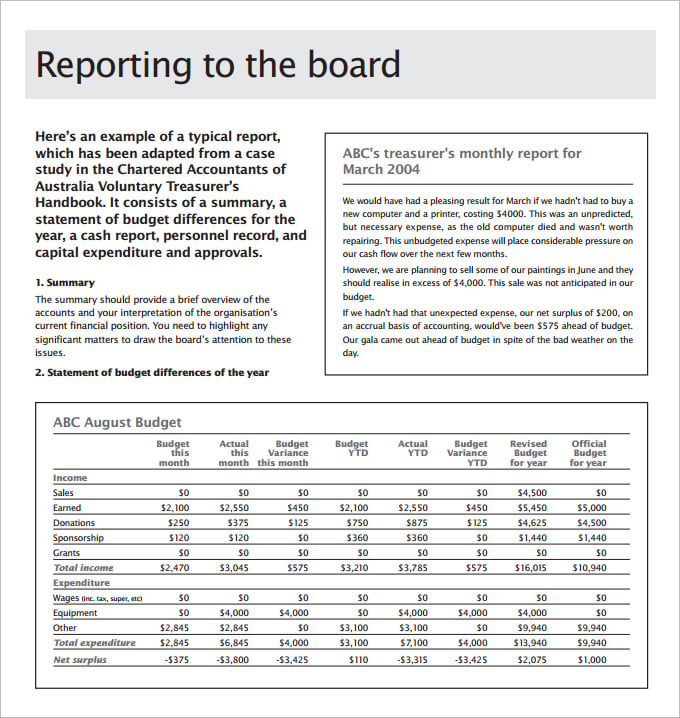
Even with a comprehensive Ceo Report To Board Of Directors Template, certain missteps can undermine the effectiveness of your report and the productivity of your board meetings. Awareness of these common pitfalls can help CEOs refine their reporting strategy and enhance board engagement.
One significant mistake is information overload. While it’s tempting to include every detail, an excessively long and dense report can overwhelm directors and obscure the most critical information. The board needs strategic insights, not an operational dump. Focus on relevance and conciseness, providing appendices for deeper dives if necessary, but keep the core report focused on high-level strategy and performance.
Another pitfall is lacking a clear narrative or “so what”. Presenting data without interpretation or context leaves the board guessing at its implications. Always explain why the numbers matter, what caused them, and what actions are being taken in response. The report should tell a story about the company’s journey, not just list facts.
Omitting bad news or challenges is a severe error that erodes trust. Boards expect transparency and want to understand both successes and setbacks. Presenting challenges honestly, along with management’s plan to address them, demonstrates maturity and fosters a collaborative problem-solving environment. Boards are there to offer guidance, especially when things are difficult.
Inconsistent reporting is another common issue. If the structure, metrics, or presentation style changes significantly from meeting to meeting, it makes it difficult for directors to track performance and trends over time. Adhering to a standardized template helps maintain consistency and improves the board’s ability to monitor progress and provide continuity.
Finally, failing to differentiate between reporting for information and reporting for decision can lead to unproductive discussions. Clearly distinguish sections where the board is merely being updated from those where their input, discussion, or approval is explicitly required. This guides the board’s focus and ensures that precious meeting time is allocated effectively.
Submitting a meticulously prepared Ceo Report To Board Of Directors Template is only half the battle; the presentation of that report during the board meeting is equally critical. Effective delivery can significantly enhance comprehension, engagement, and the overall impact of your message.
Start by assuming that board members have reviewed the report in advance. Your presentation should not be a verbatim reading of the document. Instead, use your time to highlight the most critical points, provide additional context, and emphasize areas where board input is desired. Focus on the executive summary, key strategic updates, and any areas requiring discussion or decision.
Encourage interaction and questions throughout your presentation. Rather than waiting until the end, periodically pause to invite questions on specific sections. This keeps directors engaged and allows for timely clarification. Be prepared to elaborate on any data point or strategy mentioned in the report, anticipating potential areas of inquiry.
Practice your delivery to ensure clarity, confidence, and conciseness. While detailed, your verbal presentation should be streamlined, allowing ample time for board discussion. Be passionate about your vision and transparent about challenges, as this fosters trust and demonstrates leadership.
Finally, manage your time effectively. Adhere to the allotted time for your report, respecting the meeting agenda and the directors’ schedules. If certain topics require more in-depth discussion, propose taking them offline with individual directors or scheduling a follow-up session, ensuring that all critical agenda items are addressed within the meeting timeframe.
While a consistent Ceo Report To Board Of Directors Template is invaluable, it’s also important to recognize that not all board meetings are created equal. The emphasis and depth of certain sections may need to be adapted based on the meeting’s primary purpose or the company’s current strategic phase.
For instance, an annual strategic planning meeting might require a deeper dive into market analysis, competitive landscape, and long-term strategic initiatives, potentially expanding the “Strategic Initiatives and Progress” section. Quarterly meetings might focus more heavily on financial performance and operational metrics, with less emphasis on long-range planning. A special board meeting called to address a crisis or a major acquisition would demand an entirely different report structure, focusing on the specific issue at hand, potential risks, and proposed solutions.
Consider adding flexible sections or appendices to your core template. This allows you to include specific reports or analyses relevant to a particular meeting without cluttering the standard report. For example, a detailed report on a new technology implementation might be an appendix for one meeting, while an in-depth analysis of a specific market segment could be added for another.
Regularly solicit feedback from your board members on the report’s structure and content. What information do they find most valuable? Are there areas where they need more detail or less? This iterative process ensures that your template evolves to meet the specific needs and preferences of your board, making your reports even more impactful over time. Flexibility within a structured framework is key to maintaining relevance and effectiveness.
The CEO report to the board of directors is far more than a routine update; it is a critical communication tool that shapes governance, strategy, and overall company success. By meticulously crafting and consistently utilizing a robust Ceo Report To Board Of Directors Template, leaders can transform their board meetings from information-sharing sessions into dynamic strategic discussions.
A well-designed template ensures transparency, fosters trust, and provides the board with the precise information needed to fulfill their oversight and advisory roles effectively. From a concise executive summary that immediately conveys the company’s pulse to detailed financial, operational, and strategic updates, each component plays a vital role in painting a complete and accurate picture. Avoiding common pitfalls like information overload or lack of narrative, and focusing on best practices for presentation, further strengthens the CEO-board relationship. Ultimately, mastering the art of the CEO report—with the template as your guide—empowers both management and directors to navigate challenges, seize opportunities, and drive the organization towards its strategic objectives with clarity and confidence.