Navigating the demanding landscape of the USMLE Step 2 CS exam requires not only clinical acumen and communication skills but also highly efficient time management and documentation prowess. Among the many tools and strategies available to medical students preparing for this crucial assessment, a meticulously crafted Step 2 Cs Note Template stands out as an indispensable asset. This template isn’t merely a blank form; it’s a strategic framework designed to streamline your note-taking process, ensure comprehensive documentation, and ultimately optimize your performance under the strict time constraints of the exam.
The Step 2 CS patient note is a critical component of your overall score, evaluating your ability to synthesize patient information, formulate a differential diagnosis, and propose a diagnostic workup. It demands clarity, conciseness, and accuracy, all within a tight 10-minute window post-encounter. Without a structured approach, it’s easy to omit crucial details, misallocate time, or present a disorganized thought process, jeopardizing valuable points.

Developing a robust template can transform this challenging task into a systematic and manageable process. It acts as a cognitive guide, prompting you to gather and present information in a standardized format, leaving no stone unturned. This proactive preparation allows you to focus more on the patient encounter itself, knowing that your documentation strategy is already in place.
The USMLE Step 2 CS exam’s patient note is a structured, written summary of your patient encounter. It’s not just a memory exercise; it’s an assessment of your clinical reasoning and ability to document findings clearly and concisely. This note is the primary means by which examiners evaluate your medical thought process, independent of your direct interaction with the standardized patient. Understanding its components and purpose is the first step toward acing it.
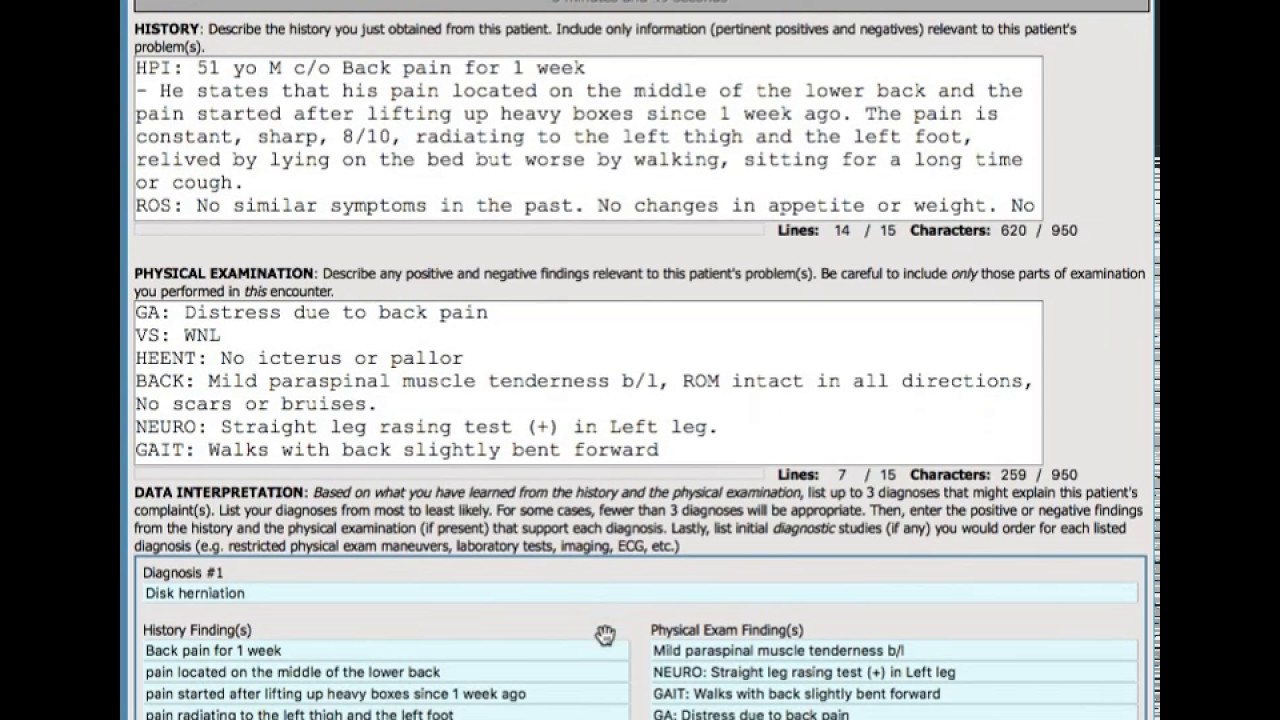
The note typically requires you to document the History of Present Illness (HPI), relevant Past Medical History (PMH), Family History (FH), Social History (SH), Medications, Allergies, a focused Physical Examination (PE) findings, a Differential Diagnosis (DDx) with supporting arguments, and a Diagnostic Workup plan. Each section plays a vital role in demonstrating your comprehensive approach to patient care. Examiners look for accurate, pertinent positives and negatives, a logical DDx, and a justified workup that addresses the most likely diagnoses while ruling out life-threatening conditions.

The pressure to complete this note in just 10 minutes underscores the absolute necessity of preparation. This isn’t a task where you can simply “wing it.” It requires a practiced, systematic approach, which is precisely where a well-designed Step 2 Cs Note Template becomes invaluable. It serves as your personal blueprint, guiding you through each section with efficiency and precision, ensuring you capture all necessary information without wasting precious seconds.

The Step 2 CS exam is as much about managing time and information as it is about clinical knowledge. A well-constructed Step 2 Cs Note Template isn’t merely a convenience; it’s a strategic advantage that can significantly impact your score. Its benefits extend far beyond simply having blank spaces to fill.

The 10-minute time limit for the patient note is one of the most challenging aspects of the exam. Without a predefined structure, students often spend valuable minutes trying to recall what information goes where, or worse, struggle to organize their thoughts. A template provides immediate structure, allowing you to seamlessly transition from the patient encounter to documentation. You know exactly what information to document in each section, reducing cognitive load and maximizing efficiency. This saved time can be crucial for refining your differential diagnosis or ensuring your diagnostic plan is comprehensive.

A primary goal of the patient note is to demonstrate thoroughness. Your template acts as a checklist, reminding you to include all pertinent positives and negatives from the history and physical exam. It ensures you don’t overlook critical details that could support or refute a diagnosis. Furthermore, a templated format promotes logical organization. Information is presented in a clear, consistent manner, making it easier for the examiner to follow your thought process and assess your clinical reasoning. This clarity directly translates to higher scores for organization and completeness.
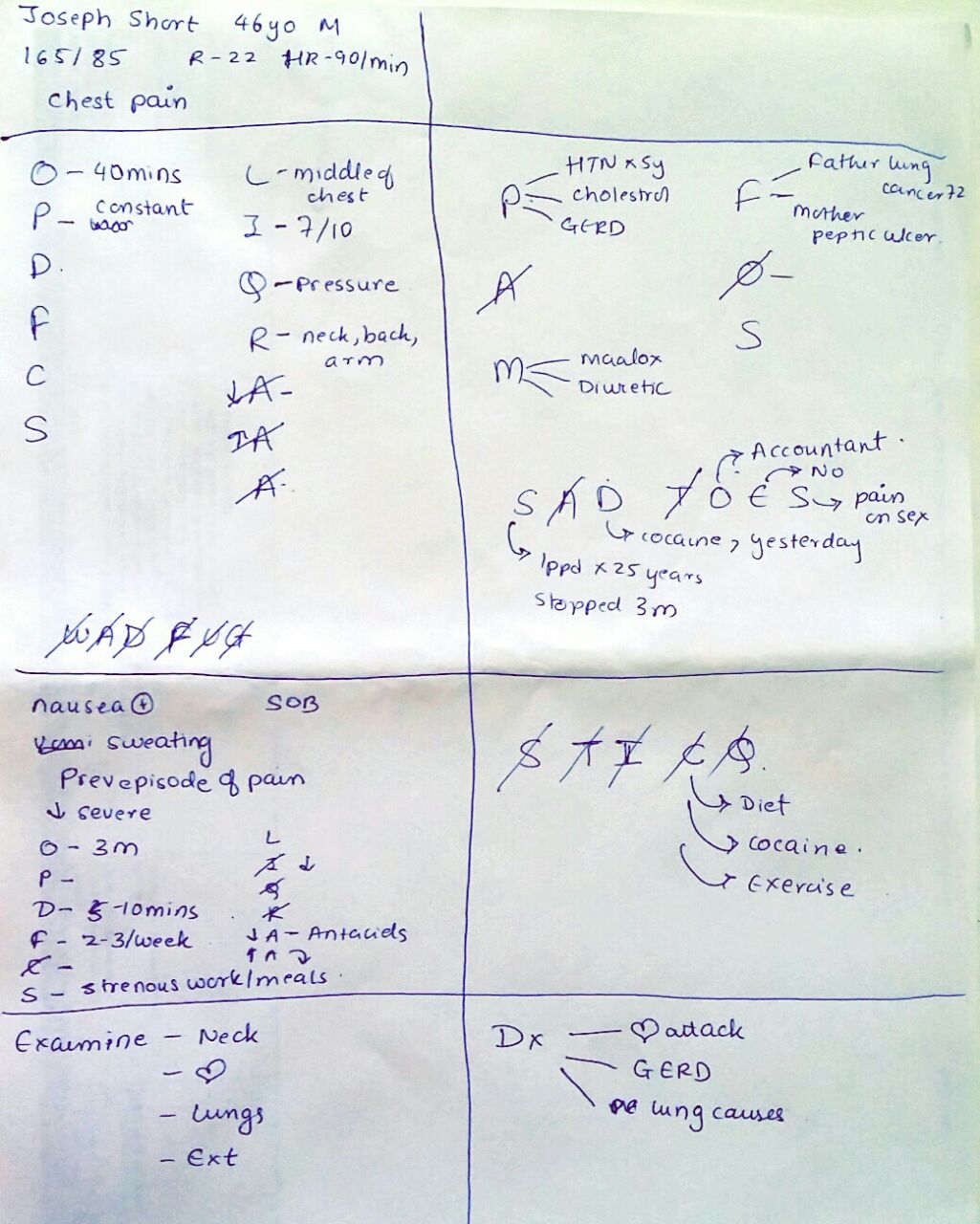
In a high-stakes environment, memory can falter. A template serves as an external memory aid, prompting you for specific information categories (e.g., OLDCARTS for HPI, specific systems for PE). This reduces the mental effort required to recall the structure of the note itself, freeing up cognitive resources to focus on the actual patient data. Knowing you have a reliable template to fall back on also significantly reduces exam-day anxiety, allowing you to approach the note-writing task with greater confidence and less stress.
An effective Step 2 Cs Note Template must be comprehensive yet concise, covering all the essential elements required by the USMLE. While customization is key, certain sections are universal and must be meticulously structured.
This is the narrative core of your note. Your template should guide you to document the HPI using a structured approach, often following mnemonics like OLDCARTS (Onset, Location, Duration, Character, Alleviating/Aggravating factors, Radiation, Timing, Severity) or similar frameworks. It should also include pertinent positives and negatives related to the chief complaint, relevant risk factors, and any associated symptoms. A good template prompts you to not just list symptoms but to describe their progression and impact.
These sections provide crucial context. Your template should have dedicated, concise areas for each. For PMH/PSH, focus on conditions relevant to the HPI or significant chronic illnesses. List current medications and dosages. Document known allergies and their reactions. FH should note relevant genetic or familial diseases. SH includes smoking, alcohol, recreational drug use, occupation, living situation, and travel history, especially if pertinent to the chief complaint. The goal is to extract and document only the most relevant information efficiently.

The PE section should detail your focused physical exam findings. Instead of a head-to-toe laundry list, your template should encourage documenting only the relevant findings, both positive and negative, that directly relate to the patient’s chief complaint and differential diagnoses. For example, if a patient presents with chest pain, you’d thoroughly document cardiac and pulmonary exams, but perhaps only briefly note other systems as “unremarkable” if not directly relevant. Using concise, commonly accepted abbreviations here is also a time-saver.

This is where your clinical reasoning shines. Your template should prompt you to list at least 3-5 plausible diagnoses, ordered by likelihood. For each diagnosis, you must provide 1-2 key pieces of information from the HPI or PE that support it and 1-2 key pieces that rule against other diagnoses. This logical justification is crucial. A strong template includes placeholders for these supporting and refuting arguments.

The final section outlines your plan to confirm or rule out your differential diagnoses. Your template should guide you to list specific, justified tests, ordered by priority. For example, if you suspect a myocardial infarction, your workup might include EKG, Troponin I/T, CXR, etc. You should clearly state the rationale for each test, linking it back to your differential. Avoid ordering unnecessary tests; every test should have a purpose.
While pre-made templates exist, the most effective Step 2 Cs Note Template will be one you’ve personalized, practiced, and refined. It needs to feel natural and intuitive for your workflow.
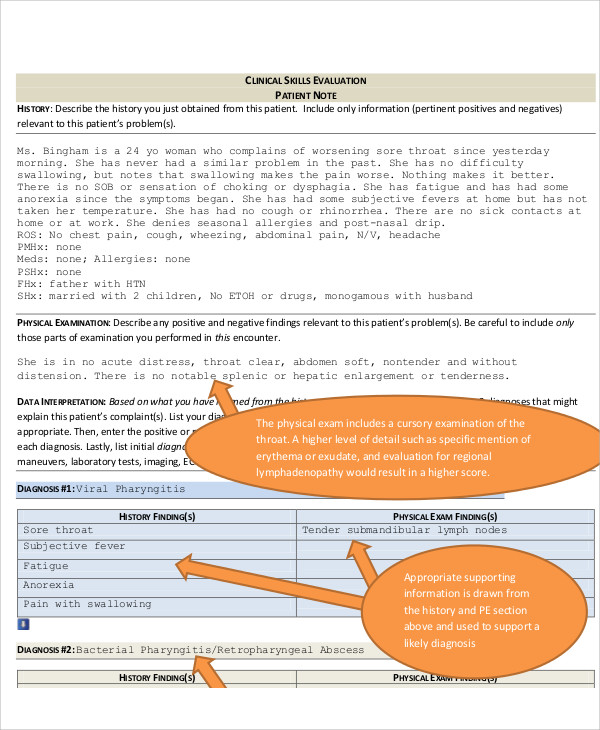
Begin by examining widely used templates or examples from reputable sources (e.g., UWorld, Kaplan, First Aid). These provide a good starting point for the structure and required sections. Don’t reinvent the wheel entirely, but don’t blindly copy either.

Once you have a base, start customizing. What abbreviations do you naturally use? How do you best organize information in your mind? Some students prefer a bulleted list format, others a more narrative style for certain sections. Experiment with different layouts and structures. For instance, you might place your HPI and PE findings in parallel columns initially to see how they align with potential diagnoses, then transfer to a linear format for the final note.
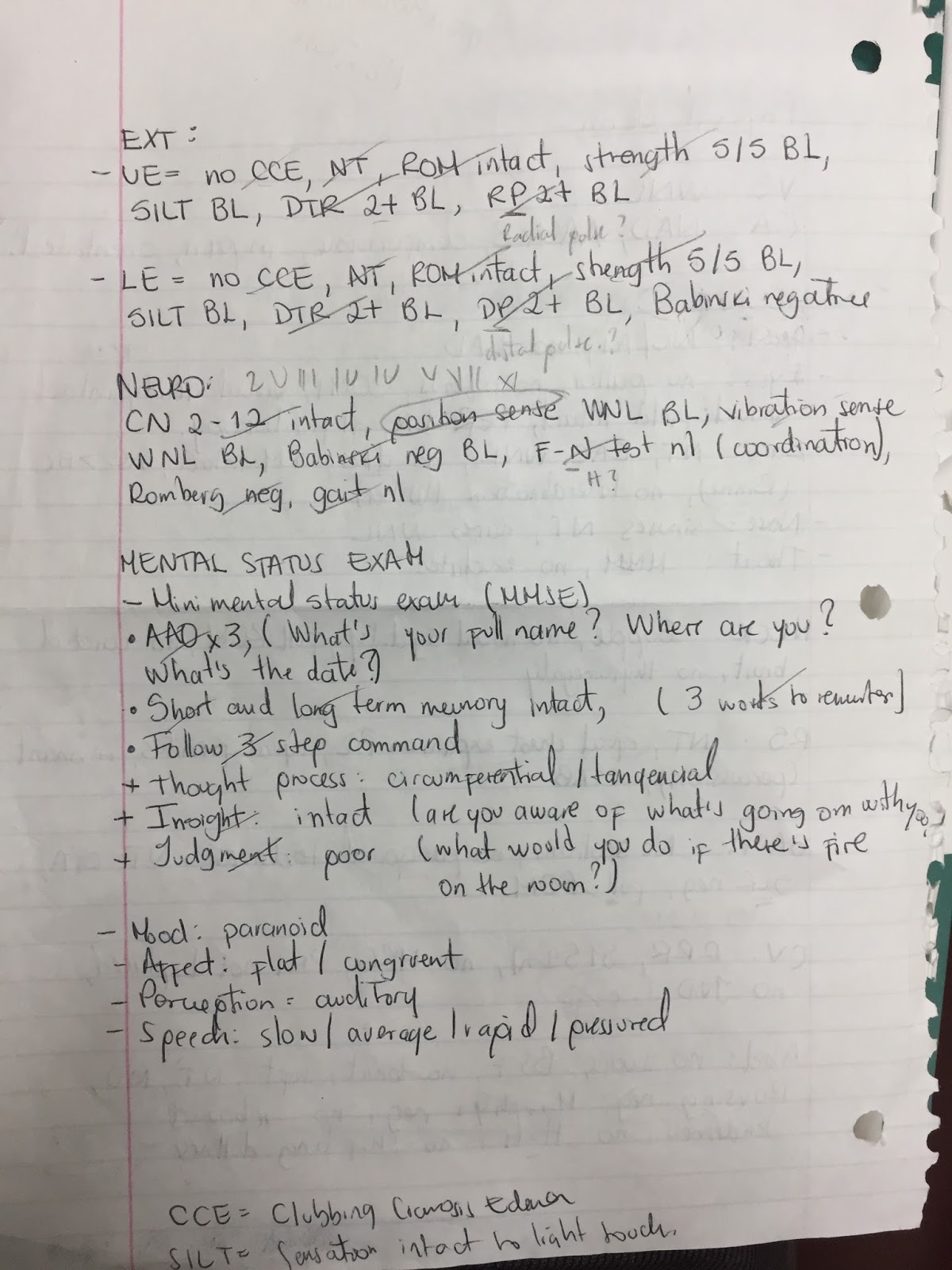
Embed your preferred mnemonics directly into your template (e.g., “OLDCARTS” next to HPI, “PERRLA” under HEENT in PE). You can also include brief reminders for critical thinking, such as “Any red flags?” or “Consider life threats first.” These subtle cues can be lifesavers under pressure.
The key to perfecting your template is practice. Use it for every practice encounter you perform. After each note, critically evaluate:
* Did I miss anything crucial?
* Did I finish on time?
* Was the note clear and logical?
* Where did I get stuck or waste time?
Based on this feedback, tweak your template. Add or remove sections, change the order, adjust spacing, or refine your internal prompts. This iterative process will eventually yield a template that is perfectly optimized for your performance.
The 10-minute note-writing period is unforgiving. Your Step 2 Cs Note Template is a powerful tool for time management, but only if you use it strategically.
Before you even start writing, have a mental (or even written) allocation of time for each major section. For example:
* HPI: 2-3 minutes
* PMH/SH/Meds/Allergies: 1 minute
* PE: 1-2 minutes
* DDx: 2 minutes
* Diagnostic Workup: 2 minutes
* Review: 0.5-1 minute
This ensures you don’t get bogged down in one section and neglect others. If you find yourself spending too much time on HPI, for instance, your template can serve as a visual cue to move on.
Your template isn’t just for writing the note; it can also inform how you gather information during the patient encounter. While engaging with the patient, you should already be mentally (or physically, if you use a scratchpad) sorting information into the categories of your template. This proactive organization reduces the cognitive load when you sit down to write, as the data is already pre-sorted in your mind.
Not every piece of information gathered needs to be in your note. Your template should remind you to be selective. For HPI, focus on the most relevant details that paint a clear picture. For PE, only document pertinent findings, positive or negative. For DDx and workup, prioritize the most likely and critical conditions. Every word should contribute to your argument. Redundant or irrelevant information wastes time and dilutes the clarity of your note.
Even with a template, certain pitfalls can derail your Step 2 CS patient note. Awareness and proactive use of your Step 2 Cs Note Template can mitigate these risks.
Mistake: Forgetting key HPI components (e.g., severity, associated symptoms) or presenting the history in a jumbled fashion.
Template Solution: Your template’s structured HPI section (e.g., with OLDCARTS prompts) acts as a checklist, ensuring you cover all the bases. Regular practice using the template will engrain this structure, making it second nature.
Mistake: Documenting a full head-to-toe exam when only specific systems are relevant, or conversely, missing crucial pertinent positives/negatives.
Template Solution: The PE section of your template should guide a focused exam. You might even pre-fill “unremarkable” for systems not typically relevant to common chief complaints, allowing you to quickly fill in pertinent positives or specific negatives for relevant systems. This reminds you to be selective and efficient.
Mistake: Listing a DDx without supporting evidence from the history or physical, or including diagnoses that are highly unlikely.
Template Solution: Your template’s DDx section should explicitly include fields for “Supporting HPI/PE findings” for each differential. This forces you to think critically and justify each diagnosis, strengthening your clinical reasoning.
Mistake: Ordering a battery of tests without clear rationale, or missing critical initial tests.
Template Solution: The diagnostic workup section of your template should encourage you to link each test to a specific differential diagnosis. Adding a small “Rationale:” prompt next to each test can ensure you’re always thinking about why you’re ordering it. This promotes a cost-effective and clinically sound approach.
Mistake: Using obscure abbreviations that examiners won’t understand, or writing out every word, which wastes time.
Template Solution: While not strictly part of the template structure, consciously practicing with a consistent set of standardized and common medical abbreviations (e.g., N/V, SOB, PQRST) within your template practice will make their use natural and efficient during the exam. Avoid inventing your own.
The USMLE Step 2 CS patient note is a formidable challenge, demanding both clinical precision and documentation efficiency under immense time pressure. However, with the right strategy and tools, it’s a hurdle that can be confidently cleared. A meticulously developed and consistently practiced Step 2 Cs Note Template is not just an organizational aid; it’s a fundamental pillar of your exam preparation.
By providing a structured framework, it empowers you to manage your time effectively, ensure comprehensive documentation, and present your clinical reasoning in a clear, logical, and concise manner. From streamlining your History of Present Illness to justifying your Differential Diagnosis and Diagnostic Workup, a personalized template acts as your silent guide, preventing common errors and maximizing your potential score. Embrace the process of refining your own Step 2 Cs Note Template, practice with diligence, and step into the exam room with the confidence that you possess a powerful tool for success.