Creating a compelling and effective report is crucial for conveying data and insights to stakeholders. A well-structured report, presented in a clear and consistent format, significantly increases its impact and understanding. The 8d Report Format Template provides a robust framework for designing reports that are both visually appealing and easily digestible. This guide will explore the key elements of this template, demonstrating how to effectively utilize it to produce professional and informative documents. The core of this template centers around the ‘8d’ structure – a system designed to streamline the report creation process, ensuring a logical flow of information. Understanding and implementing this template is a significant step towards producing reports that truly resonate with your audience. Let’s delve into the specifics of how to build a powerful 8d Report Format Template.
The 8d Report Format Template is more than just a set of guidelines; it’s a methodology designed to improve the overall quality and efficiency of report creation. It’s built around a core structure that emphasizes clarity, organization, and visual appeal. The ‘8d’ refers to the eight key components that each section should address. Each section is designed to contribute to a cohesive and understandable narrative. Adhering to this structure will significantly reduce the time spent on report writing and ensure that your message is consistently communicated. It’s a deliberate approach to maximize impact.
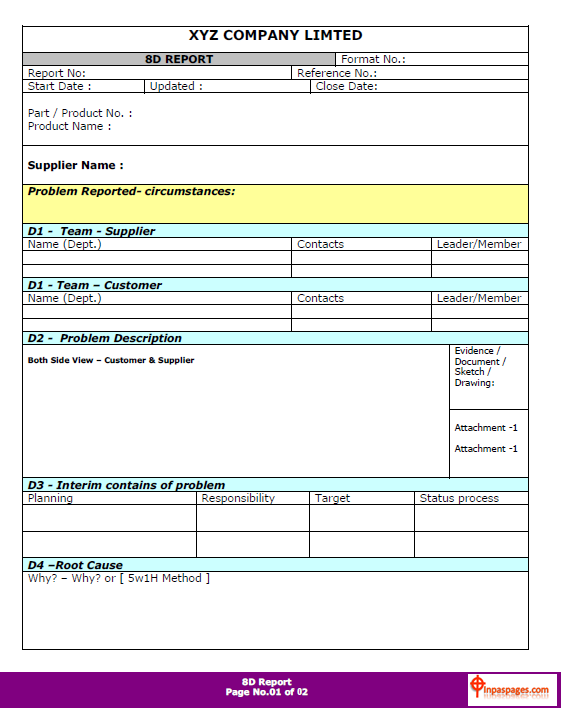
The Executive Summary is arguably the most crucial section of the 8d Report Format Template. It’s a concise overview of the entire report, typically no more than 1-2 pages. It should immediately capture the reader’s attention and highlight the key findings, conclusions, and recommendations. This section must clearly articulate the report’s purpose and the main takeaways. It’s often written last, after the rest of the report is completed, to ensure it accurately reflects the overall narrative. A strong Executive Summary sets the stage for the reader and compels them to delve deeper into the report. It’s a critical opportunity to demonstrate value and justify the investment of time. Consider using data visualization – charts and graphs – to quickly convey key metrics within the Executive Summary.
This section provides the necessary context for the report’s content. It explains the situation, problem, or opportunity that the report addresses. It’s important to clearly define the scope of the analysis and establish the relevant background information. Don’t assume the reader already knows everything. A well-defined background section helps the reader understand why the report is being created and what questions it aims to answer. This section often includes a brief history of the topic, relevant industry trends, or key stakeholders involved. Providing sufficient context is vital for building credibility and ensuring the report’s relevance.
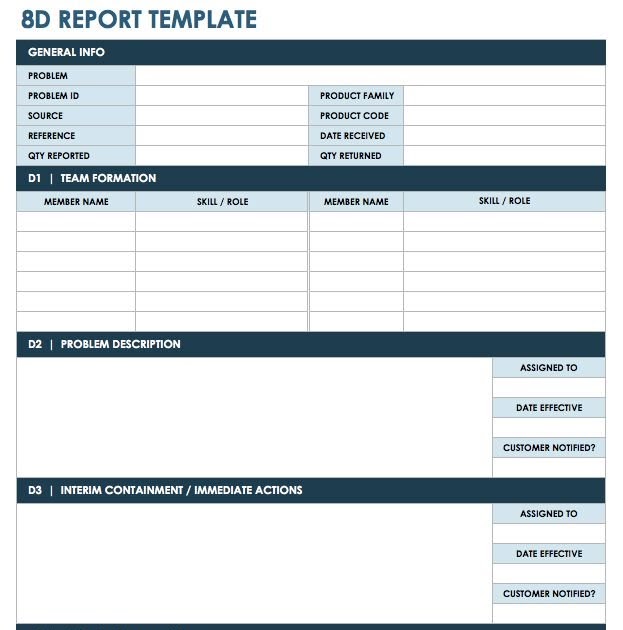
This section details the methods used to collect and analyze the data. It’s essential to clearly explain how the information was gathered, ensuring transparency and allowing readers to assess the validity of the findings. This section should include details about the data sources, sampling techniques, data cleaning procedures, and any analytical tools used. A thorough methodology section demonstrates a rigorous and reliable approach to report creation. Avoid jargon and technical terms that the reader may not understand. A clear explanation of the methodology builds trust and demonstrates that the report is based on sound research practices.
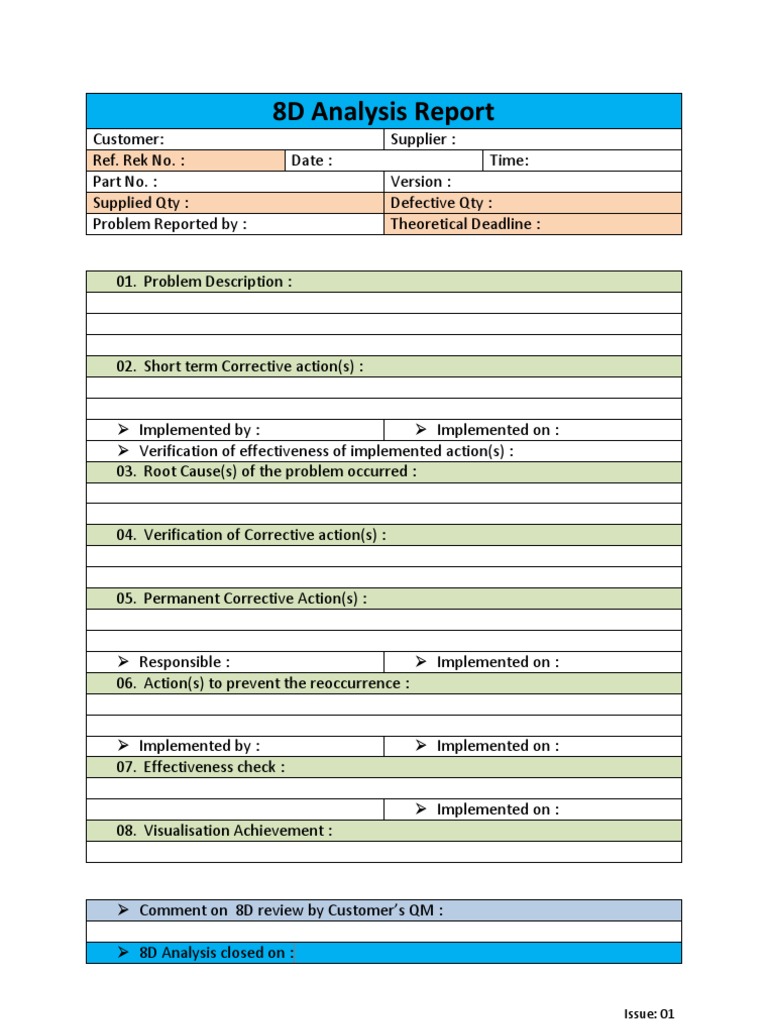
This section presents the key findings of the analysis. It’s where you present the data in a clear and organized manner, using charts, graphs, and tables to illustrate the results. Each finding should be accompanied by a concise explanation of its significance. Don’t just present numbers; interpret them and explain what they mean in the context of the report’s objectives. Use visuals to highlight trends and patterns. Ensure that the findings are directly relevant to the report’s purpose and that they support the conclusions drawn in the preceding sections. This section is the heart of the report – it’s where the data comes to life.
This section goes beyond simply presenting the findings and delves into the why behind them. It analyzes the data to identify patterns, correlations, and potential insights. This section often includes a discussion of the limitations of the data and potential sources of error. It’s a critical opportunity to demonstrate critical thinking and analytical skills. Consider using statistical analysis techniques to provide a deeper understanding of the data. This section should be supported by clear explanations and visualizations.
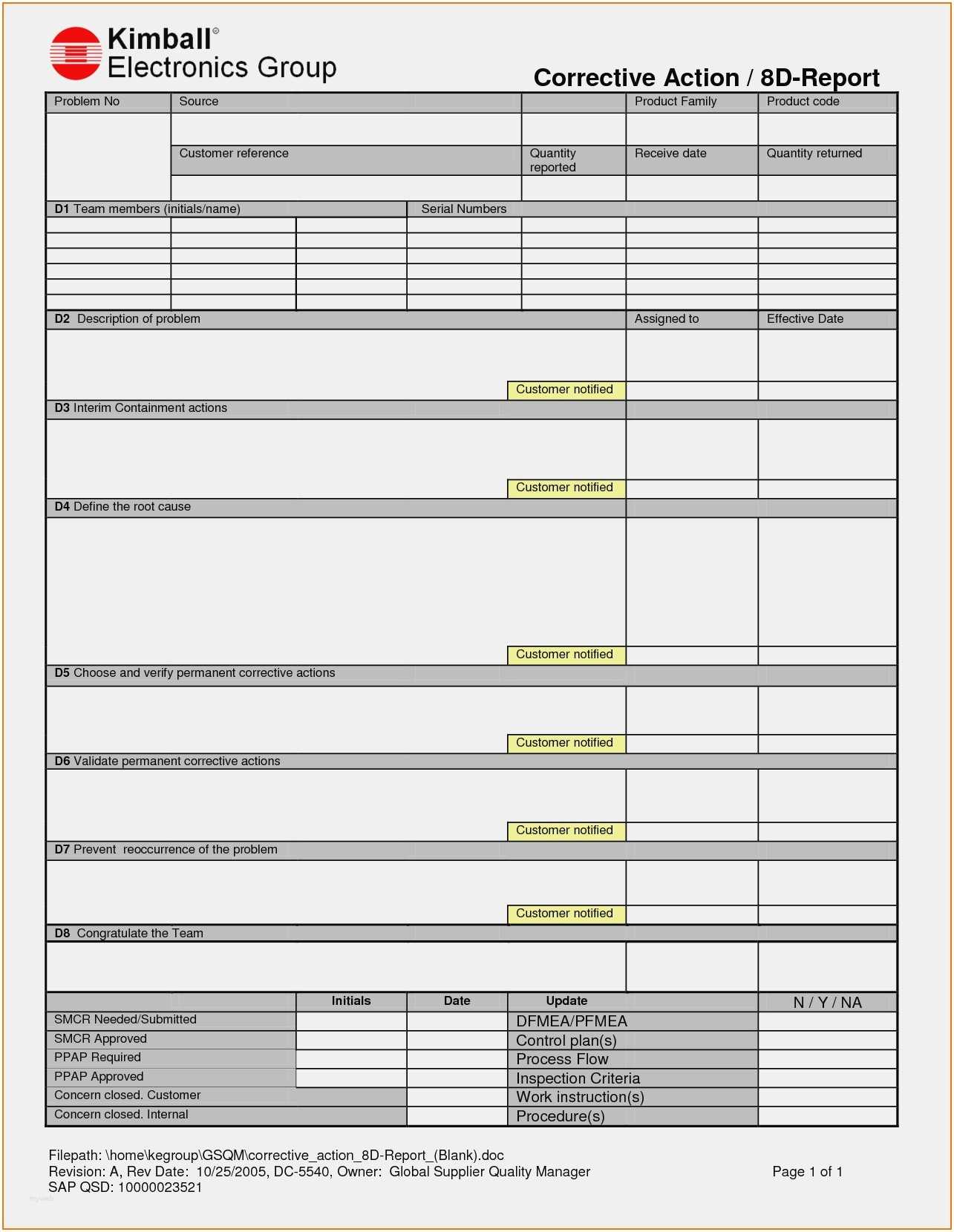
Based on the analysis, this section presents actionable recommendations. These recommendations should be specific, measurable, achievable, relevant, and time-bound (SMART). They should clearly outline the steps that should be taken to address the identified issues or capitalize on the opportunities. Don’t just recommend what should be done; explain how it should be done and the expected outcomes. A well-defined set of recommendations demonstrates a clear understanding of the problem and a proactive approach to finding solutions. This section is crucial for driving action and achieving the report’s objectives.
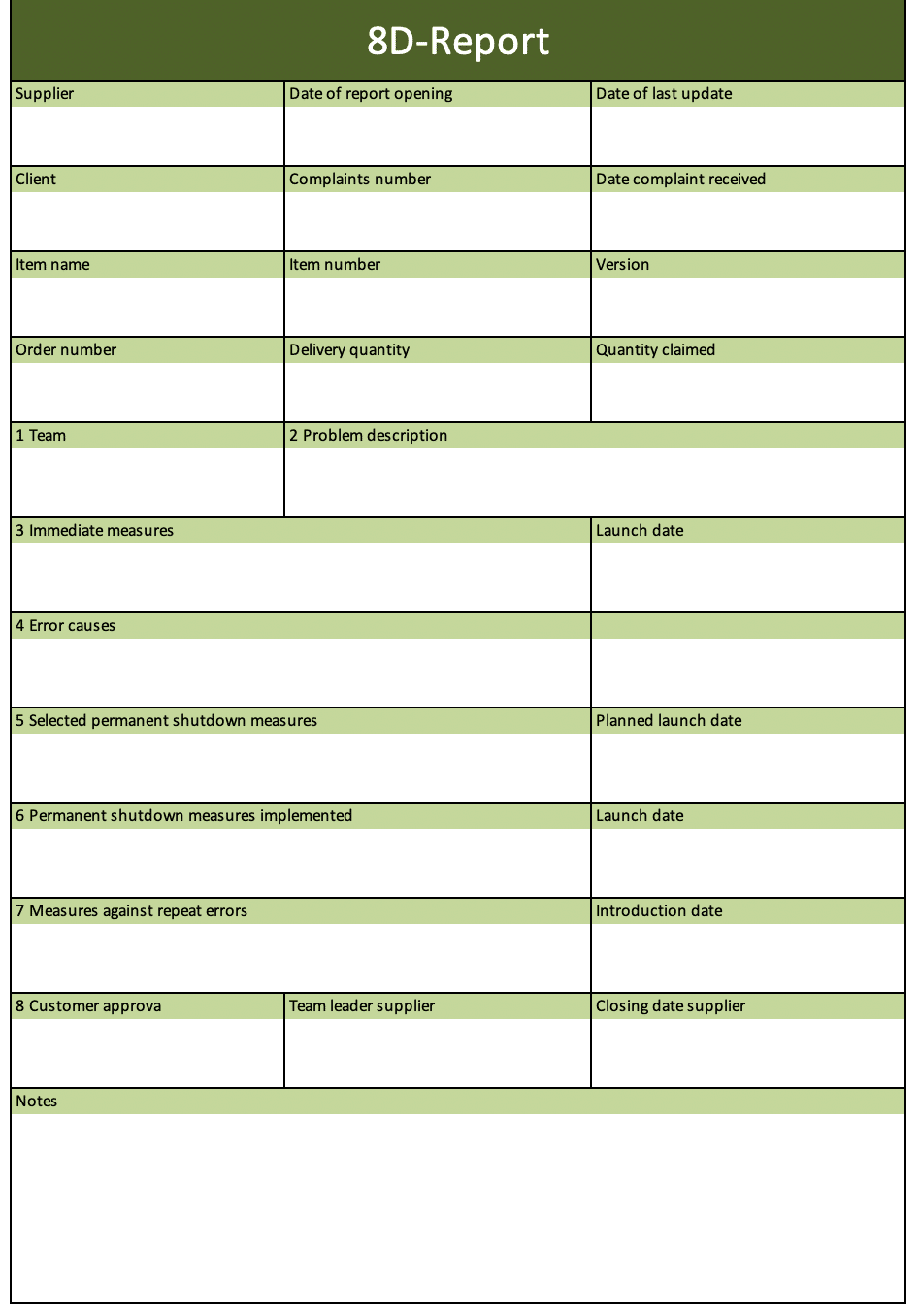
The Conclusion summarizes the key findings and recommendations of the report. It reiterates the main points and reinforces the overall message. It should provide a concise overview of the report’s value and its potential impact. It’s a final opportunity to leave a lasting impression on the reader. Consider adding a call to action, encouraging stakeholders to take the next steps. The conclusion should be a concise and impactful statement that reinforces the report’s purpose and significance.
The Appendix contains supplementary materials that support the report, such as raw data, detailed methodology, or additional analysis. It’s important to keep the Appendix organized and clearly labeled. This section allows readers to access additional information without disrupting the flow of the main report. It’s a valuable resource for those who want to delve deeper into specific aspects of the report.
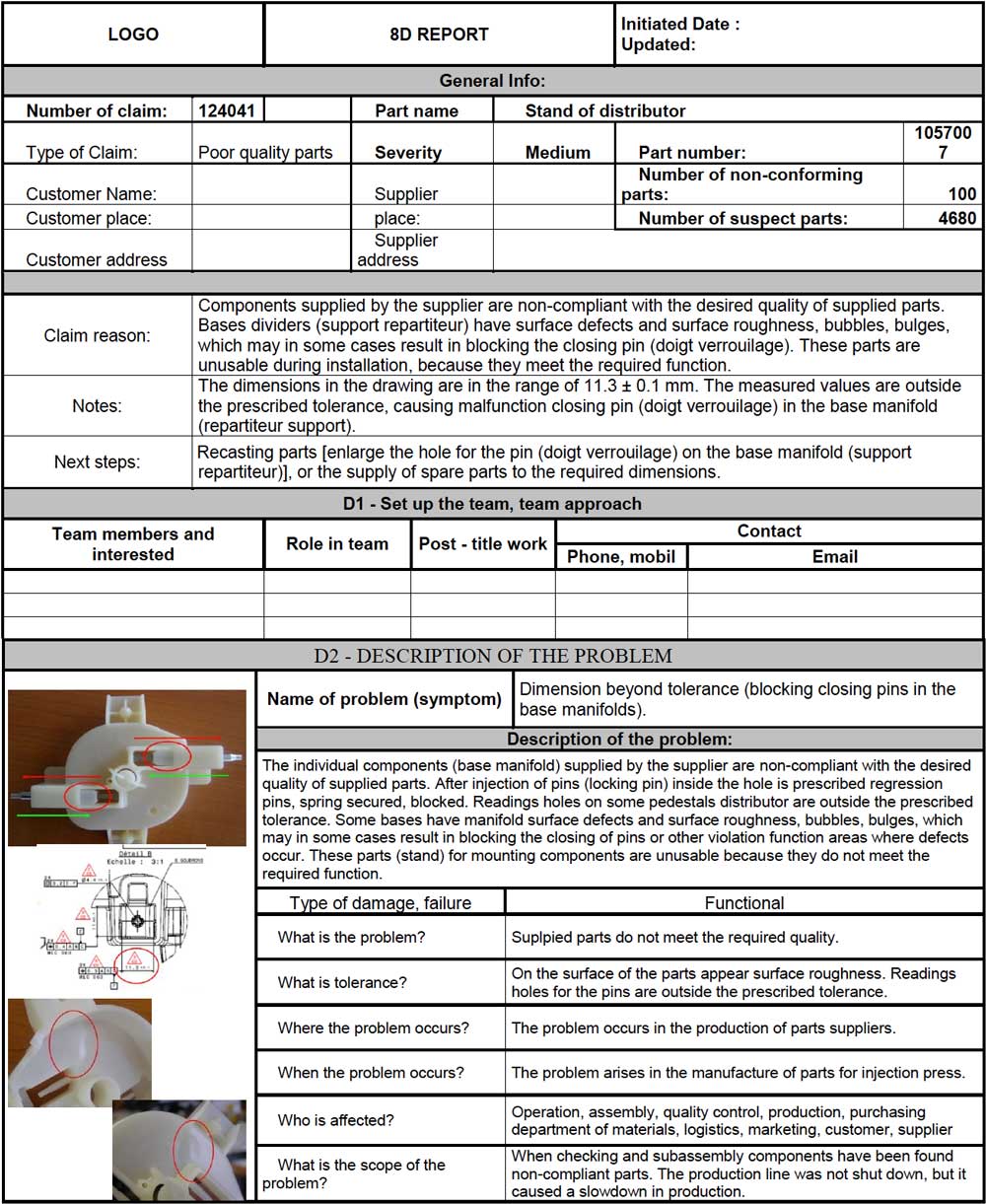
The 8d Report Format Template provides a powerful framework for creating reports that are both informative and effective. By adhering to this structure, you can ensure that your reports are clear, concise, and easy to understand. The key to success lies in understanding the purpose of each section and ensuring that the data is presented in a logical and visually appealing manner. Remember that the 8d Report Format Template is not just a set of rules; it’s a methodology for achieving better reporting outcomes. Investing the time and effort to implement this template will undoubtedly yield significant benefits, leading to improved communication, data-driven decision-making, and ultimately, greater success. Ultimately, a well-structured report is a valuable asset, demonstrating professionalism, competence, and a commitment to clear and effective communication. Continuous refinement of the template based on feedback and evolving reporting best practices is also crucial for maintaining its effectiveness.
